Can AI content go on OTT? Rights, platform rules and disclosure in 2026
Yes, AI films and series are already streaming. But a platform will ask three questions before it signs: who owns it, what went into it, and how it's labelled. Here is what to have ready.
Key points
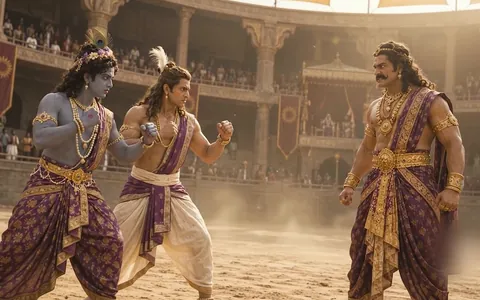
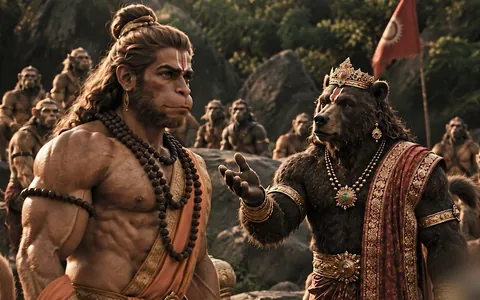
- AI series are already on Indian OTT: JioHotstar's 100-episode Mahabharat: Ek Dharmayudh had about 6.5 million views on day one.
- Netflix asks partners to share any intended use of GenAI, and needs written approval for AI in final deliverables, talent likeness and third-party IP.
- Indian law treats the author of a computer-generated work as the person who causes it to be created. Document the human direction.
- India's IT Amendment Rules 2026 require prominent labels on realistic synthetic content shared through intermediaries.
- The EU AI Act's deepfake disclosure applies from 2 August 2026, with a lighter rule for evidently fictional work.
Most AI commissioning conversations reach the same moment. The creative is approved, the budget works, and then someone from legal or standards asks: "Can we actually put this on the service?"
The short answer is yes. AI films and series are already streaming in India and around the world. The longer answer is that platforms now want clear answers to three questions before they sign: who owns it, what went into it, and how it's labelled. This guide walks through each one, as things stand in late 2026.
A quick note before we start: I'm a producer, not a lawyer. This is a practical map of what platforms and regulators have published. For a specific contract, talk to your legal team.
AI content is already on Indian OTT
The question used to be hypothetical. It isn't any more.
JioHotstar's Mahabharat: Ek Dharmayudh, a 100-episode AI series, drew about 6.5 million views on launch day, according to Indian Television, the biggest opening for a long-running series on the platform. JioStar has since announced more AI shows and films in development and plans to hire around 80 AI specialists.
Globally, Netflix says its partners used generative AI on around 300 titles this year. So the real question is not whether platforms accept AI work. It's under what conditions.
Question one: what will the platform ask?
Netflix is the only major streamer that has published detailed guidance for production partners, so it's the clearest reference point. Many platforms ask similar questions even when they don't publish them.
Netflix's guidance, released in August 2025, asks partners to share any intended use of generative AI with their Netflix contact. It sets out principles, including:
- Outputs should not recreate identifiable parts of copyrighted material you don't own.
- Tools should not store, reuse or train on the production's inputs or outputs.
- AI should not replace or generate talent performances without consent.
It then lists cases that always need escalation and written approval, including:
- AI output that becomes part of the final deliverables
- Generating main characters, key visual elements or central settings
- Inputs referencing copyrighted material or the likeness of public or deceased figures
- Digital replicas of real performers, which need documented consent
- Content that could be mistaken for real events or statements
For a fully AI-produced series, almost everything falls into the written-approval category. That's not a barrier. It just means the conversation needs to happen at the start, with paperwork, rather than at delivery.
What to have ready: a short AI use statement for the project listing the tools used, what each was used for, and confirmation that no unlicensed material or real-person likeness went in.
Question two: who owns an AI film?
This is the question that worries rights teams most, and the Indian answer is clearer than many people assume.
India's Copyright Act defines the author of a computer-generated work as "the person who causes the work to be created." In 2026, the Indian Copyright Office applied that to the well-known DABUS application. It refused to list an AI system as an author, but found the work original and identified the human who conceived and directed the process as the person behind it, using what it called a "mastermind" test.
What that means in practice:
- AI can't own anything. The rights sit with people and companies.
- Human direction matters. Writing, storyboards, character design, selection, editing, sound and the many decisions in between are what make the work authored.
- Records matter. If ownership is ever questioned, you want to show the human creative process, not just a list of prompts.
- Contracts do the rest. The production agreement should state that the studio assigns all rights in the finished work, and warrant that no third-party material was used without a licence.
Other countries differ in the detail. The US Copyright Office, for example, protects the human-authored elements of AI-assisted work rather than purely machine-made output. If you're commissioning for several territories, ask for the same documentation either way.
What went into it: tools, data and likeness
Platforms increasingly ask about inputs as well as outputs.
Tool terms. Every generation tool has its own commercial-use terms. A studio should be able to tell you which tools were used and confirm their terms allow commercial distribution.
Your own material. Netflix's guidance says partners shouldn't put platform-owned materials or personal data into AI tools without approval. The same caution makes sense for any platform's unreleased scripts or footage.
Faces and voices. This is the area with the sharpest legal edges in India. In 2024 the Bombay High Court granted singer Arijit Singh interim protection against AI platforms cloning his voice, and courts have protected other well-known personalities in similar cases. The rule for producers is simple: no real person's face or voice without explicit, written consent. Original AI characters avoid the issue entirely.
Question three: does it need a label?
Labelling rules are moving fastest, and they differ by territory.
India: the IT Amendment Rules 2026
MeitY notified amendments to the IT Rules in February 2026, in force from 20 February 2026. They cover "synthetically generated information": audio or video created or altered by AI so that it appears real and is indistinguishable from a real person or event.
The key obligations:
- Intermediaries must make sure such content carries a prominent label. An earlier draft's fixed 10% watermark size was dropped.
- Where technically feasible, they must embed permanent metadata or markers, and must not let users strip labels out.
- Large social platforms must ask users to declare whether content is synthetic and verify those declarations.
- Takedown timelines are much shorter, down to three hours for court or government orders.
These rules are written for intermediaries such as social platforms and apps that host user content. Law firm analyses have focused there, and how they apply to an OTT service's own commissioned catalogue is less settled. In practice, AI series promoted on YouTube, Instagram or Facebook will meet these labelling systems anyway. So a clear credit line such as "Created with AI by FilmE Productions" is good practice everywhere.
Europe: the EU AI Act
If your content will be shown in the EU, Article 50 of the AI Act has applied since 2 August 2026. Deployers who publish deepfakes must disclose that the content is artificially generated.
There's an important accommodation for creative work. Where a deepfake is part of an evidently artistic, creative, satirical or fictional work, the duty is limited to disclosing it "in an appropriate manner that does not hamper the display or enjoyment of the work." For a fictional series, that typically means the credits or the description page, not a watermark across every frame.
The safe default
Across territories, the same habits keep you safe:
- Credit AI production clearly in the end credits and the title's description.
- Keep machine-readable AI markers in delivery files where your tools support them.
- Never make AI content that could pass as real news, real events or a real person's statement without a very clear label.
A commissioning checklist for AI series
Before signing off an AI project, these are the documents and promises worth asking any studio for, us included:
- An AI use statement: tools used and what each was used for
- Confirmation that tool licences allow commercial distribution
- A rights assignment of the finished work to the platform or producer
- A warranty of no unlicensed third-party material, including music, logos and recognisable designs
- Written consent for any real person's likeness or voice, or confirmation that none was used
- Records of the human creative process: scripts, storyboards, character sheets, edit decisions
- An agreed disclosure line for credits and descriptions
- Confirmation that the platform's own materials were not used to train or fine-tune any model
None of this slows a good production down. Most of it is paperwork a careful studio keeps anyway.
The bottom line
AI content can go on OTT, and the biggest platforms are already commissioning it. What they want in return is transparency: tell them early, document the human work, keep real people out unless they've agreed, and label it honestly.
If you're preparing an AI project for standards and legal review, book a free consultation. We'll walk your team through how we document a production from first script to final delivery.
Frequently asked questions
Is AI-generated content allowed on Netflix?
Yes, with conditions. Netflix's guidance asks partners to share any intended use of generative AI with their Netflix contact, and requires written approval when AI output is part of final deliverables, uses talent likeness or personal data, or involves third-party IP.
Who owns the copyright in an AI film in India?
India's Copyright Act names the person who causes a computer-generated work to be created as its author. In 2026 the Copyright Office refused to list an AI system as an author but recognised the human who directed the process. Keep records of the human creative work, and make sure your contract assigns the rights to the platform or producer.
Do AI films have to be labelled in India?
The IT Amendment Rules 2026, in force from 20 February 2026, require intermediaries to label realistic synthetically generated content prominently. How they apply to OTT publishers' own catalogues is less settled, so a clear note in the credits or description is the safe practice.
Does the EU AI Act affect Indian studios?
If your content is shown to audiences in the EU, the deployer must disclose deepfakes from 2 August 2026. For evidently artistic or fictional work, disclosure can be made in a way that does not hamper enjoyment of the work, such as in the credits.
Can we use a real actor's face or voice with AI?
Only with explicit, written consent. Indian courts have protected personality rights against AI voice cloning, and Netflix requires documented consent for digital replicas of real talent.
Sources
- TV Tech: Netflix lays out guidance for using generative AI in content production (27 Aug 2025)
- IBC: Netflix uses GenAI on 300 titles in 2026
- Indian Television: JioHotstar's AI Mahabharat breaks records
- Khaitan & Co: MeitY notifies the IT Amendment Rules 2026 (Feb 2026)
- Nishith Desai Associates: Deepfakes, disclosure and due diligence, unpacking India's SGI amendments
- Asia IP: India rejects AI as 'author' but recognises the person behind the AI
- artificialintelligenceact.eu: A practical guide to Article 50
- Bar & Bench: Bombay High Court grants interim relief to Arijit Singh (2024)