AI trailers and promos for OTT launches: a practical guide
A show used to launch with one trailer and a poster. Now it needs dozens of assets, in three shapes and five languages, often before the show is finished. Here's how AI helps, and where it doesn't.
Key points
- A single OTT launch can need 20 or more assets across 16:9, 9:16 and 1:1, in several languages.
- 89% of Indian microdrama viewers discover shows in social feeds, per Meta and Ormax, so vertical promos are often the real front door.
- AI helps most with reformatting, new shots, language versions and fast variations to test.
- The story of a trailer, and its rhythm, still depend on an experienced editor.
- Plan launch assets while the show is being made, using the same look book and voices.
I remember when a show's launch meant one trailer, one poster and a press release. Those days are gone.
Today, a single OTT launch needs a main trailer, a teaser, vertical cuts for Instagram Reels and YouTube Shorts, character promos, countdown cards and social clips. Then every one of those needs a version in each release language. Marketing teams are asked to produce all of it faster than ever, often while the show is still being finished.
AI is genuinely well suited to this work. Used well, it lets a small team deliver a full launch kit in days. Used badly, it produces a flood of promos that all look the same and convince nobody. Here's how to get the first result and not the second.
What a launch kit looks like now
| Asset | Shape | Typical length | What it's for |
|---|---|---|---|
| Teaser | 16:9 and 9:16 | 15 to 30 seconds | Announce the show, set the tone |
| Main trailer | 16:9 | 90 to 150 seconds | Sell the story |
| Vertical cuts | 9:16 | 15 to 45 seconds | Social feeds and shorts |
| Character promos | 9:16 and 1:1 | 10 to 20 seconds each | Introduce the cast |
| Countdown and date cards | All shapes | 6 to 10 seconds | Drive the release date |
| Language versions | All of the above | Same | Reach each audience |
Multiply that by four or five languages and you are well past 20 assets for one launch.
The trailer is still the hero. But for a lot of viewers, the first thing they'll ever see of your show is a 15-second vertical clip in a feed. That clip deserves the same care.Prita Bali, Founder, FilmE Productions
Why vertical promos matter more than ever
The Meta-Ormax study of Indian microdrama viewers found that 89% discover shows through social feeds, not by searching or browsing an app. Meta's Shweta Bajpai summed it up: "audiences aren't searching for micro dramas, they're finding them in the feed."
That finding is about microdramas, but in my experience the same pattern is spreading across streaming. For many viewers, your vertical promo is the real front door to your show. If it doesn't stop a scroll in the first two seconds, the trailer may never get watched at all.
Where AI helps most
1. Reformatting for vertical. Turning a wide 16:9 shot into a strong 9:16 frame used to mean losing half the picture. AI can now extend backgrounds and reframe shots, so the vertical version looks designed rather than cropped. This alone saves days on a launch.
2. New shots the show doesn't have. A trailer sometimes needs a moment the episodes never included: an establishing shot, a title reveal, a stylised transition between scenes. AI can create these in the show's own look. Netflix said its partners used generative AI on about 300 titles this year, including for establishing shots, so this is well beyond experimental now.
3. Language versions. AI voice and dubbing tools make it practical to version every asset in each release language. Prime Video has piloted AI-aided dubbing, and in September 2026 it added AI lip-sync to the human-dubbed English version of Maxton Hall, its most-watched international original. For trailers, where every word is chosen carefully, I'd always have a native speaker review each version.
4. Variations for testing. Platforms increasingly test several openings, end cards and calls to action. AI makes it cheap to produce variations and keep the ones that perform.
Make it memorable, not just visible
Krishnendu Saha, VP of Marketing and Strategy at JioStar, summed up launch marketing to our team in ten words worth repeating in every promo meeting:
Marketing is not what you see but what you remember.Krishnendu Saha, VP of Marketing and Strategy, JioStar
It's a useful test for AI promos in particular. It's now easy to make twenty polished assets and put them everywhere. Being seen is cheap. Being remembered is not. Before approving any promo, ask one question: an hour later, what will the viewer remember? A face, a line, a sound, a single image? If you can't name it, the promo isn't finished.
What still needs an editor
A trailer is a short story about a longer story. Choosing which moments to show, which to hold back, where the music turns and where the silence falls: that's editorial judgement, and no tool I've used comes close.
So is knowing when a promo has too many cuts, or when a pause will land harder than a line of dialogue.
AI can give you every shot you could possibly want. What it can't tell you is which three shots make someone press play.Prita Bali, Founder, FilmE Productions
The best results we've seen come from experienced trailer editors using AI to remove the slow, repetitive work, so more of their time goes on the cut itself.
Sound sells the trailer
Most promos are watched on phones, often with sound on for only a few seconds before someone decides to keep watching or move on. That changes how you mix:
- The first sound cue matters as much as the first frame. A distinctive sound can stop a thumb mid-scroll.
- Dialogue must be clear on small speakers. If a key line gets lost, so does the hook.
- Music hits must land exactly on the cuts. That precision is what makes a trailer feel expensive.
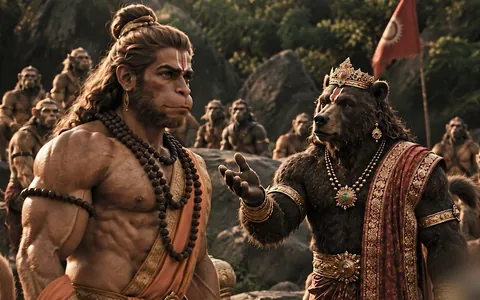
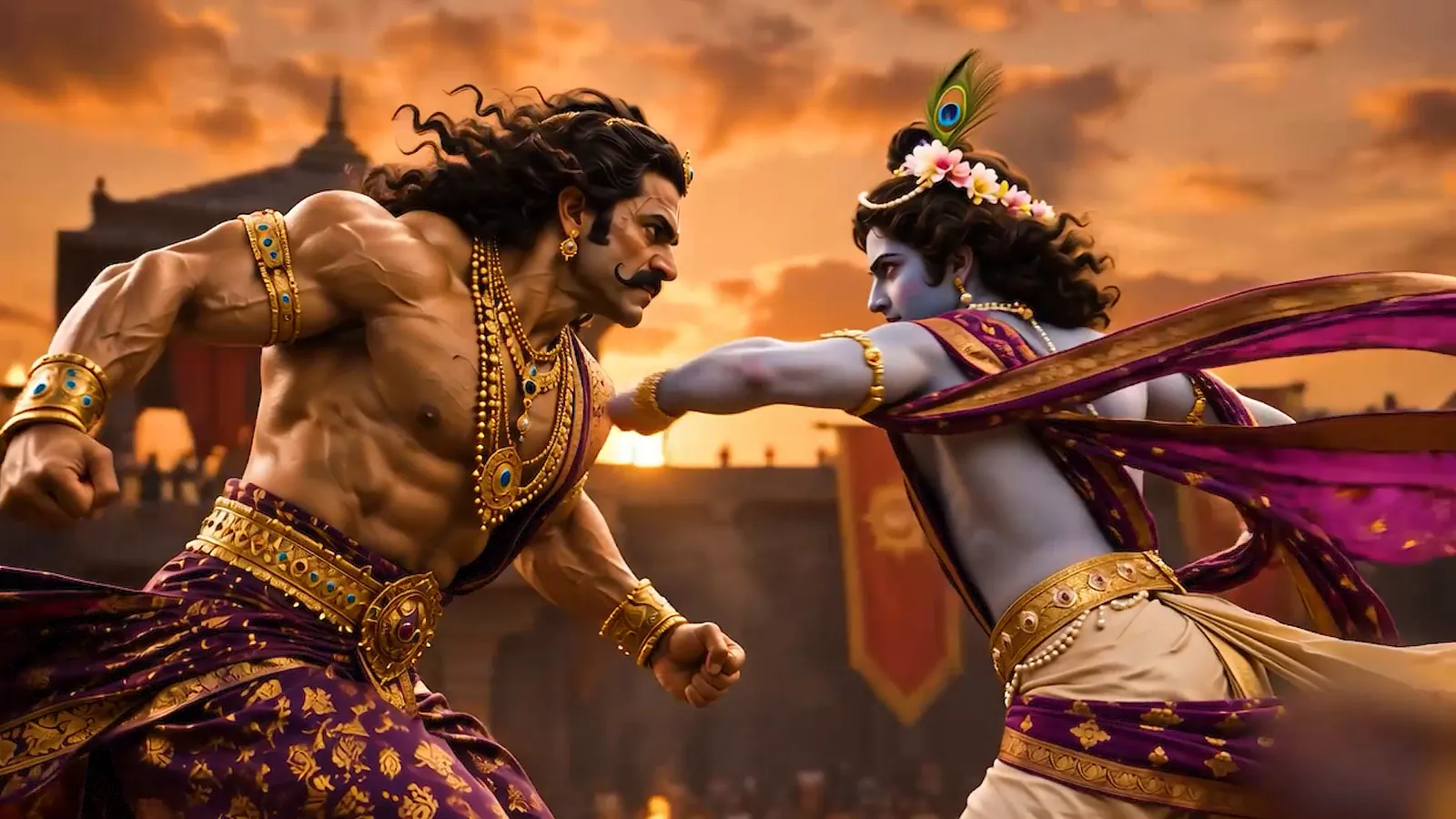
When Vijay Subramaniam introduced the trailer for JioHotstar's AI Mahabharat, he described it as "emotional, grand, and immersive." That is exactly the bar, and most of it is achieved in the sound mix.
Five mistakes we see in AI promos
Most weak AI promos fail in the same few ways. If you're reviewing a launch kit, these are worth checking for.
- Every asset looks the same. When all twenty promos are generated from the same few prompts, the feed sees one ad twenty times. Vary the hook, the opening shot and the music.
- The vertical cut is just a crop. A face pushed to the edge of a 9:16 frame looks like an accident. Reframe properly, or generate the vertical shot.
- Text is generated, not designed. AI still garbles words. Titles, dates and the platform name should always be added in the edit.
- The voice-over is translated, not adapted. A line that works in Hindi can fall flat in Tamil. Each language version needs its own writing pass.
- No sound strategy for muted viewing. Many people watch the first seconds silently. Use clear on-screen text for the hook, then let the sound reward the people who turn it on.
Plan launch assets during production, not after
This is the single biggest piece of advice I can give, and it's where AI productions have a real advantage.
On a traditional show, launch assets are usually cut from finished footage, and any extra shot means a pick-up shoot. On an AI production, the same look book, characters and voices that built the show can build the launch kit, with no extra shoot days. Shots designed specifically for the trailer can be generated alongside the episodes.
A practical timeline we often suggest:
- During look development: agree the key art and the hero images.
- During storyboard: flag the moments that will anchor the trailer and plan any trailer-only shots.
- During the edit: cut the teaser first. It sets the tone everything else follows.
- At picture lock: cut the main trailer, then build vertical and language versions from it.
- In the final mix: mix promos specifically for phones, not as an afterthought.
The big studios are heading the same way
Lionsgate's 2024 deal with Runway was one of the first signs. Its vice chair, Michael Burns, said several filmmakers were "already excited about its potential applications" and described AI as "a great tool for augmenting, enhancing and supplementing our current operations." Two years on, that's broadly how the industry uses it in marketing: as a multiplier for a good team, not a replacement for one.
How FilmE makes launch assets
FilmE makes trailers, teasers and vertical promos for streaming launches. We plan the asset kit with your marketing team, cut every shape and language, and mix the sound for the screen each asset will actually play on.
If your next launch is coming up, book a free consultation. The earlier we start, the more of your launch kit can be built alongside the show itself.
Frequently asked questions
Can AI make a trailer for a traditionally shot show?
Yes. AI can reformat footage for vertical screens, extend backgrounds, create title sequences and transition shots, and produce language versions. The heart of the trailer still comes from the show's own footage.
How many promo assets does an OTT launch need?
Typically a main trailer, a teaser, several vertical cuts, character promos, countdown cards and social clips, each in every release language. That is easily 20 or more assets.
Is AI used for dubbing trailers?
Increasingly. Prime Video has piloted AI-aided dubbing and added AI lip-sync to human-dubbed audio on Maxton Hall. For trailers, every line should be reviewed by a native speaker.
How fast can AI launch assets be made?
If the show itself was made with AI, its look book, characters and voices can produce launch assets alongside the episodes, with no extra shoot days. A full asset kit can be ready within days of picture lock.
Sources
- Meta: Social feeds are powering India's micro-drama boom, Meta-Ormax report (18 Mar 2026)
- PPC Land: Prime Video puts AI lip-sync dubbing on Maxton Hall (Sep 2026)
- JioStar: Launch of Mahabharat: Ek Dharmayudh (Oct 2025)
- IBC: Netflix uses GenAI on 300 titles in 2026
- Runway: Runway partners with Lionsgate (18 Sep 2024)