AI dubbing for Indian languages: what works, what doesn't, and how to do it well
One show, six languages, one release date. AI dubbing makes that possible for the first time. Here's what it does well in Indian languages, where it still trips up, and the workflow that keeps every version feeling native.
Key points
- AI can now translate, keep the original voice and match timing: Sarvam Dub was benchmarked across 10 Indian languages and English.
- AI lip-sync is already on big screens: War 2 was lip-synced from Hindi into Telugu for its IMAX release.
- The weak spots are idiom, honorifics, names, code-mixing and emotion. Every version needs a native-speaker review.
- Adapt the script for each language first. Translation alone is the most common cause of flat dubs.
- AI-native productions have an edge: characters can be rendered with lip movement for each language.
India doesn't have one audience. It has a dozen, and each one would rather watch in its own language. That's always been the hard maths of Indian streaming: a show made in Hindi reaches a fraction of the country unless someone pays to dub it, and good dubbing has traditionally meant weeks of studio time per language.
AI is changing that maths faster than almost anything else in production. Platforms can now plan a show in several languages from day one, rather than dubbing the hits months later. Story TV, for example, already lists titles in six languages, according to TechCrunch.
But AI dubbing done carelessly is easy to spot, and Indian audiences spot it fast. This guide covers what the technology does well today, where it still falls short, and the workflow that makes each version feel as if it was made for that audience.
What AI dubbing can do now
Three capabilities have matured in the past two years, and together they cover most of what a dub needs.
1. Translation that keeps the original voice
In February 2026, Sarvam AI launched Sarvam Dub, a dubbing model built for Indian languages. It uses voice cloning so the same speaker sounds like themselves in every language, and controls timing during speech generation, so lines fit the picture without sounding sped up. Sarvam tested it on more than 700 audio samples from 64 speakers across 10 Indian languages and English. It has been used to dub IIT Madras lectures and to stream the Union Budget 2026 speech live in Kannada and Hindi.
2. Lip-sync that matches the new language
Dubbing has always had one giveaway: mouths that don't match the words. AI lip-sync fixes that by changing the actor's lip movements to fit the new dialogue.
This is no longer experimental. NeuralGarage's VisualDub was used to lip-sync YRF's War 2 from Hindi into Telugu for its theatrical and IMAX release in August 2025, and to make complete Tamil, Telugu and English versions of Krishnavataram in 2026. Its chief executive, Mandar Natekar, described the opportunity as allowing filmmakers "to produce a film once and then create multiple native-language versions simultaneously."
3. Human voices with AI polish
The most interesting model for drama may be the hybrid one. In September 2026, Prime Video added AI lip-sync to the human-dubbed English version of Maxton Hall, its most-watched international original. Real voice actors gave the performance; AI made the mouths match. For emotional drama, that combination is hard to beat.
Where AI dubbing still trips up in Indian languages
The technology is good. Indian languages are hard. These are the problems we watch for most closely.
- Idiom and humour. A joke that works in Hindi often means nothing in Malayalam. Literal translation kills comedy and flattens drama.
- Honorifics and respect. Aap and tum, neenga and nee: the level of respect between characters carries meaning. Get it wrong and a loving mother sounds rude.
- Names and special words. Sanskrit names in mythology, place names and regional terms are often mispronounced by models that learned mostly from everyday speech.
- Code-mixing. Real Indian dialogue moves between English and the local language mid-sentence. A dub that "corrects" Hinglish into pure Hindi sounds unnatural to young viewers.
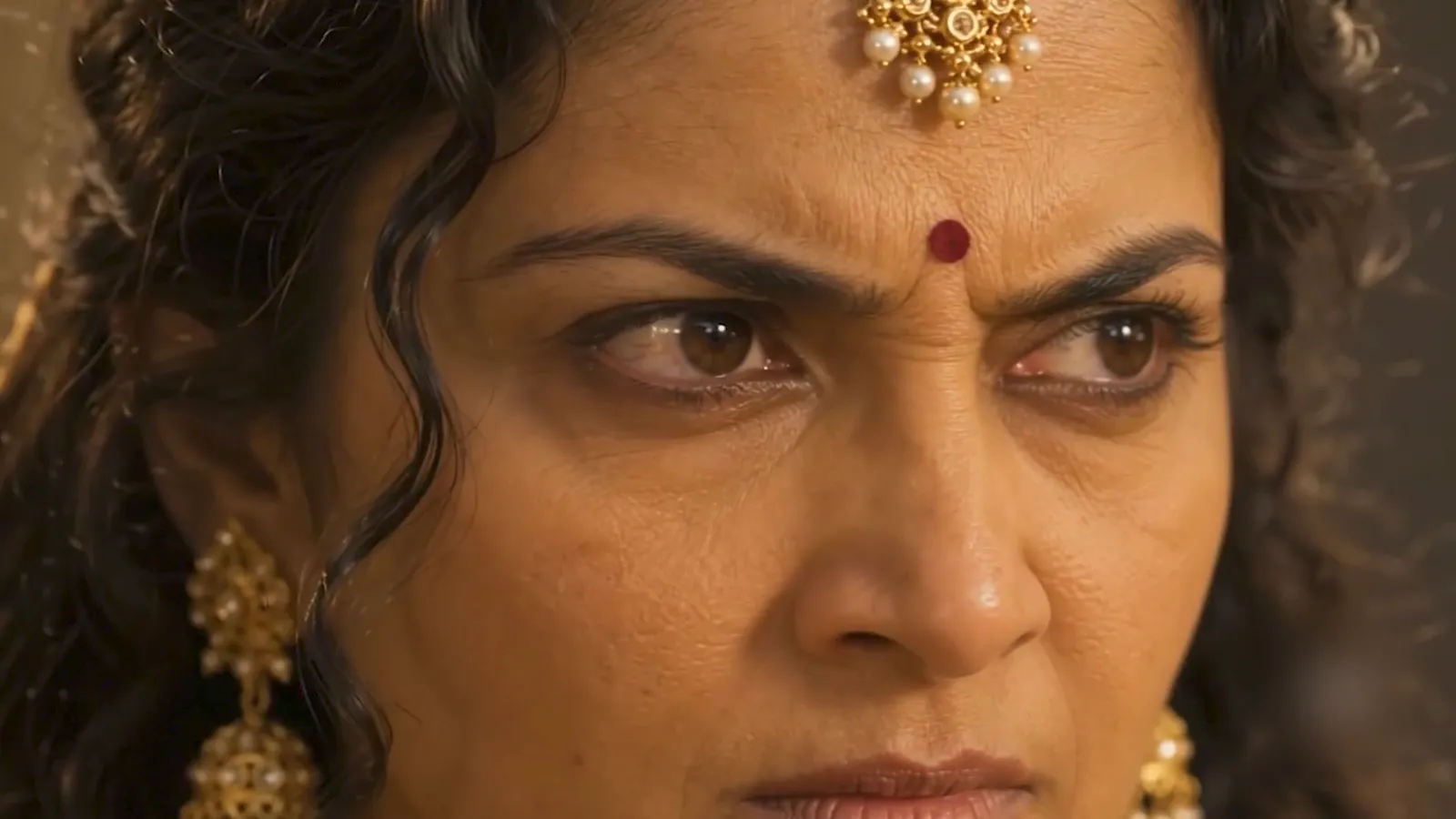
- Emotion. A cloned voice can sound like the actor and still miss the catch in the throat or the pause before a confession.
- Length. Some languages take noticeably more syllables to say the same thing. Without careful adaptation, lines either rush or overrun the shot.
None of these are reasons to avoid AI dubbing. They're reasons to keep people in the loop.
The workflow that makes dubs feel native
This is the process we recommend for drama, in order.
- Adapt the script, don't just translate it. A native writer adapts each language version for idiom, respect levels and rhythm, keeping line lengths close to the original.
- Build a pronunciation list. Every character name, place and special word, written phonetically and recorded once, for every language.
- Choose the voice approach per role. Lead characters get human voice actors or a human performance guiding the AI voice. Narration and minor roles can be AI voices.
- Generate and time the dialogue to the picture, line by line.
- Lip-sync the close-ups. Wide shots and backs of heads don't need it. Close-up dialogue does.
- Native-speaker review. A fluent viewer watches every episode in every language, noting anything that sounds translated, wrong or rude.
- Mix each language separately. Dialogue levels, music and effects are balanced for each version, then checked against the platform's loudness specs.
- Version the promos too. Trailers and vertical cuts need the same care. They're often the first thing viewers hear.
Human voice or AI voice? A quick guide
| Content | Recommended approach | Why |
|---|---|---|
| Narration and explainers | AI voice, reviewed | Steady delivery, few emotional peaks |
| Kids' learning shows | AI voice, carefully reviewed | Clear speech matters most, and versions are needed fast |
| Microdramas | Human leads, AI for minor roles | Hooks depend on emotional delivery |
| Prestige drama | Human voice actors, AI lip-sync | Performance carries the show |
| Mythology and devotional | Human or human-guided voices | Names, chants and reverence must be exact |
| Trailers and promos | Human voice-over, AI versioning | Every word is chosen to sell |
Why AI-native productions dub better
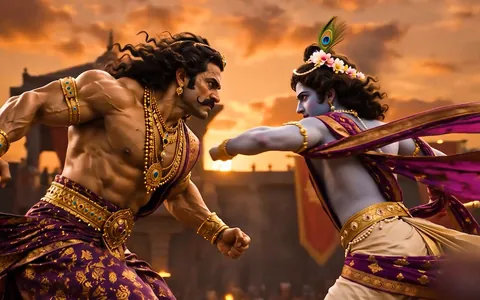
There's one advantage that AI productions have over live action, and it's worth planning for. When a show is made with AI from the start, characters are generated rather than filmed, so a close-up can be rendered with mouth movements for each language rather than altered afterwards. Voices for each language can be cast at the start, alongside the original.
That means a platform can plan a simultaneous multi-language release from the commissioning stage, without the months-long dubbing queue that usually follows a hit.
Consent comes first
Cloning a voice is cloning a person's identity. In 2024, the Bombay High Court granted singer Arijit Singh interim protection against AI platforms cloning his voice without permission. The rule for every dub is simple: no real performer's voice is cloned without explicit, written consent, and voice actors should know exactly how their voice will be used, in which languages and for how long.
A checklist before you sign off any dub
- Was each language adapted by a native writer, not just translated?
- Are all names and special words pronounced correctly in every language?
- Do respect levels between characters feel right?
- Do close-up mouths match the words?
- Has a native speaker watched every episode?
- Does each language mix meet the platform's loudness specs?
- Is there written consent for every cloned voice?
How FilmE handles languages
At FilmE, we plan languages from the first meeting, not after delivery. Each language version gets its own script adaptation, pronunciation list, voice casting, lip-sync for close-ups, native review and separate mix. We quote each language as its own line, so you can see exactly what each one adds.
If you're planning a multi-language release, book a free consultation and tell us which languages your audience watches in. We'll show you how a single production can reach all of them on the same day.
Frequently asked questions
Can AI dub a show into Indian languages?
Yes. Current tools can translate dialogue, keep the original speaker's voice across languages and match the timing of the picture. Sarvam AI benchmarked its Sarvam Dub model across 10 Indian languages and English. For drama, every version still needs a native writer and a native-speaker review.
What is AI lip-sync dubbing?
It changes the actors' lip movements to match the new language's dialogue, so a dubbed version looks as if it was filmed in that language. NeuralGarage's VisualDub was used to lip-sync War 2 from Hindi into Telugu, and Krishnavataram into Tamil, Telugu and English.
Is AI dubbing good enough for drama?
For narration, explainers and kids' content it is often ready to use after review. For drama, the best results come from human voice actors or a human performance guiding the AI voice, with AI handling lip-sync and timing.
Which Indian languages should a show be dubbed into?
It depends on the platform's audience. Hindi, Tamil, Telugu, Bengali, Marathi, Kannada and Malayalam are the most common choices for national releases. Platform viewing data is the best guide.
Do we need consent to clone a voice for dubbing?
Yes. Cloning a real performer's voice needs their explicit, written consent. Indian courts have protected personality rights against unauthorised AI voice cloning.
Sources
- Business Today: Sarvam unveils AI dubbing model for Indian languages (2 Feb 2026)
- exchange4media: NeuralGarage's VisualDub enables lip-sync for multi-language theatrical films (31 Aug 2026)
- PPC Land: Prime Video puts AI lip-sync dubbing on Maxton Hall (Sep 2026)
- TechCrunch: India's EloElo nabs $80M from NBCUniversal (3 Nov 2026)
- Bar & Bench: Bombay High Court grants interim relief to Arijit Singh (2024)